
GIA & GRS Certified
100% Natural Unheated Ceylon Gems
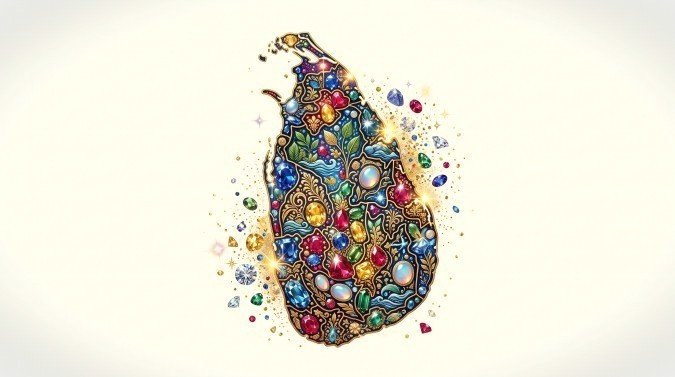
Untreated Ceylon Gems
Hand-inspected clarity & fire
Born in the ancient gemstone deposits of Ceylon, every sapphire and ruby in our collection carries millennia of natural geology. We unite untamed natural crystals with master Sri Lankan lapidary artistry.
More About Us

Design With
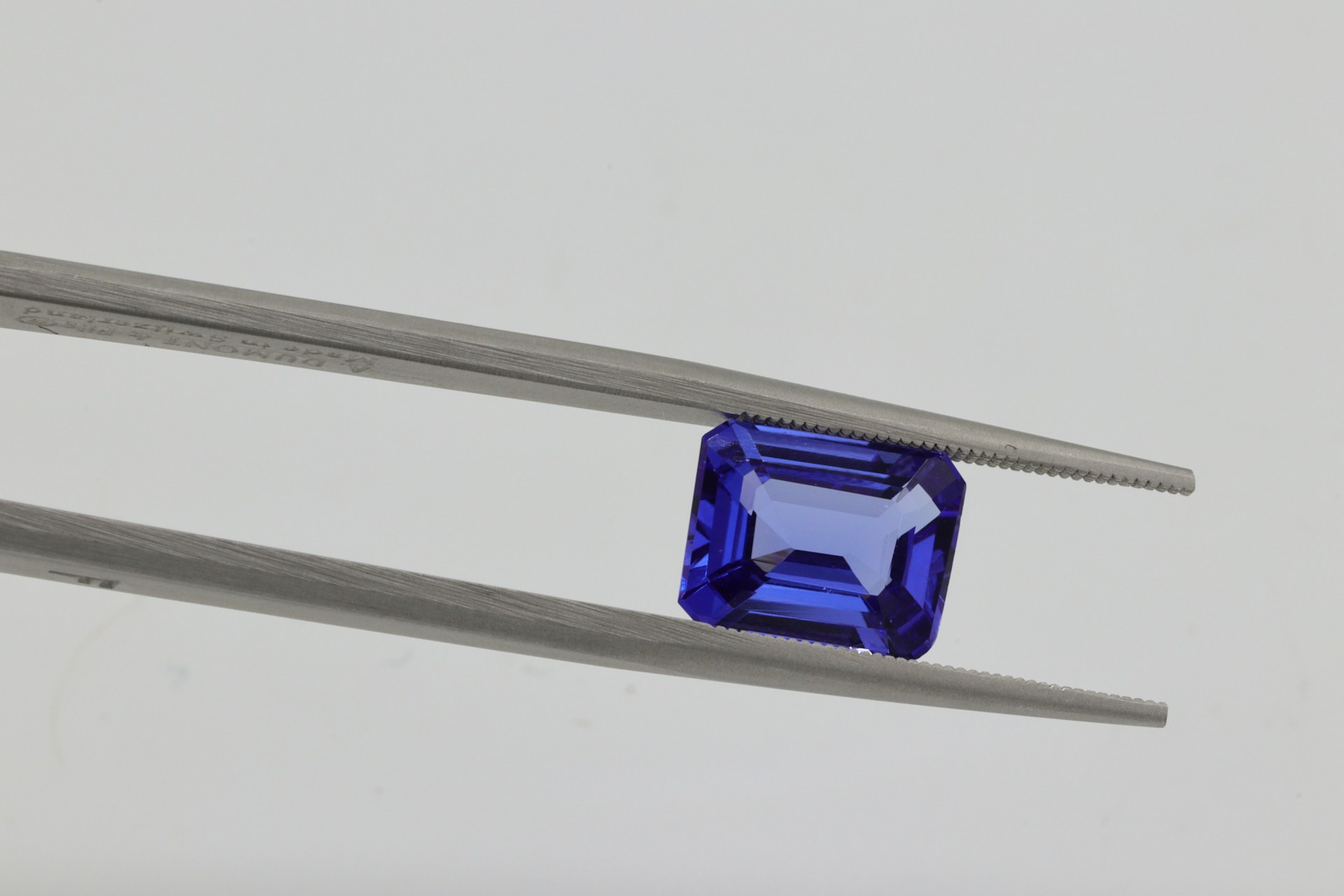
Cinnamon Sapphire
Unique Collection
Curated by master gemologists. Each piece tells an eternal story of Ceylon color, crystal clarity, and rare royal brilliance.
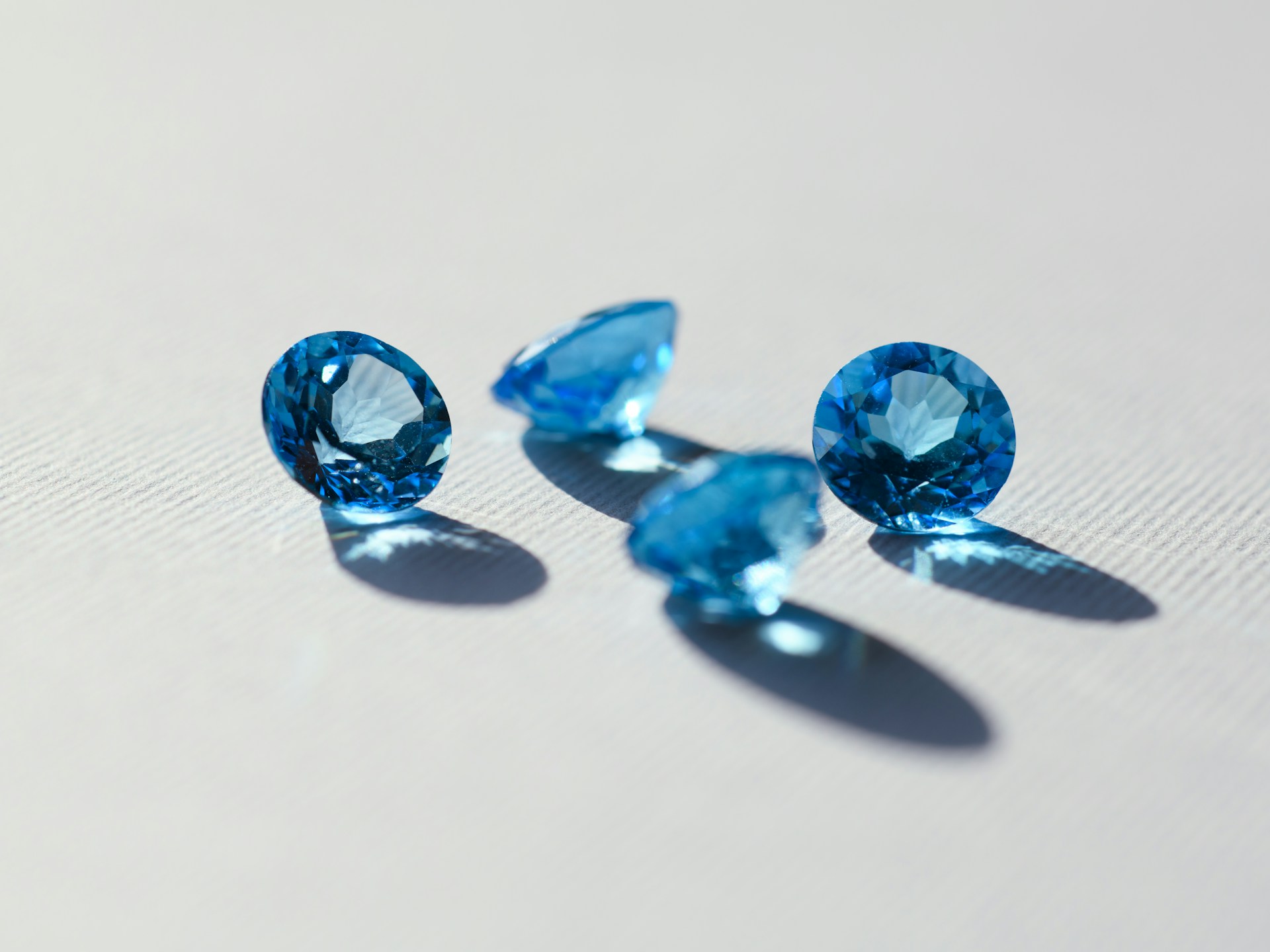 Photo by Sameer Ali on Unsplash
Royal Blue Sapphire
Cornflower & Deep Velvet Blue
Explore → Explore Sapphires →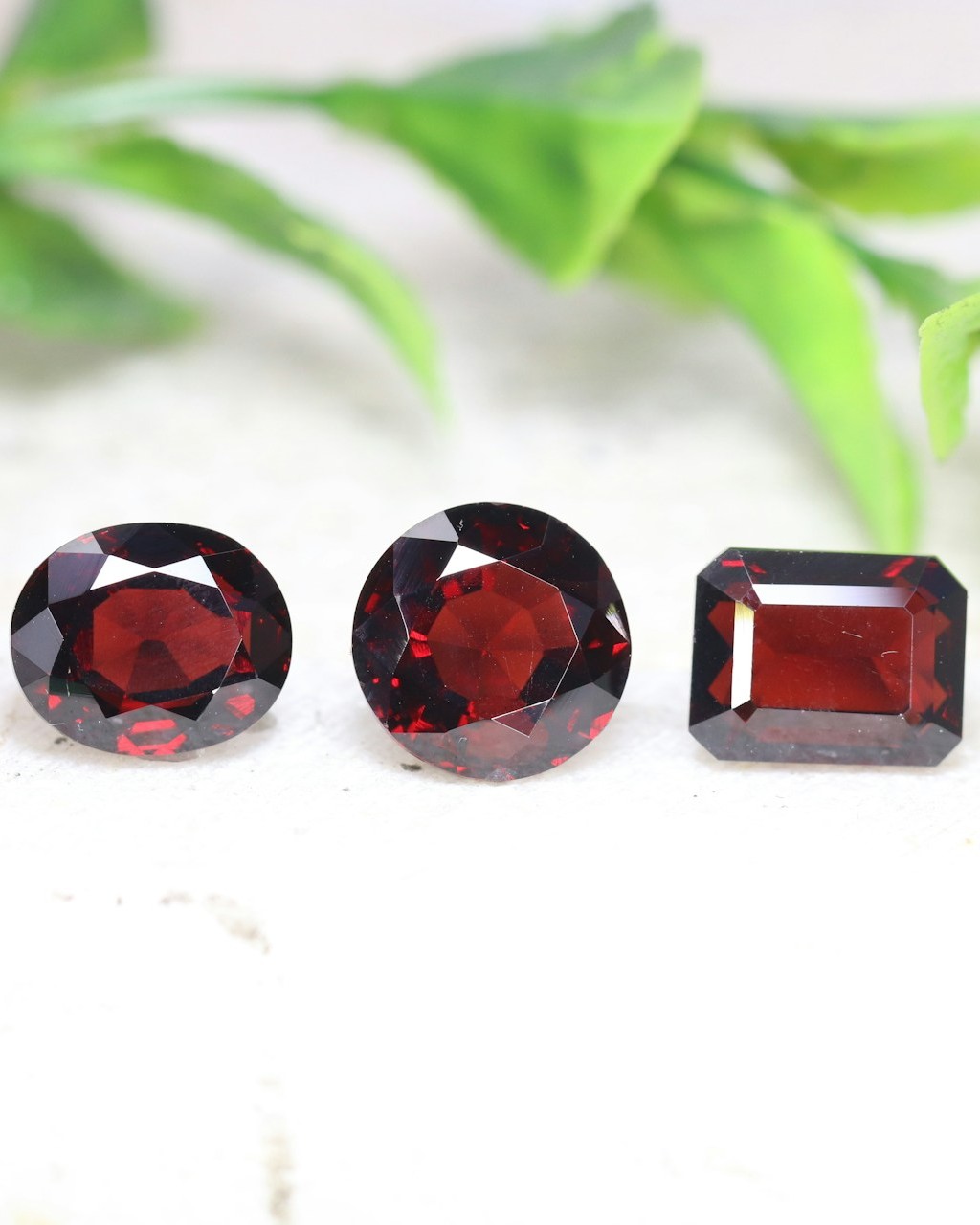 Photo by Sameer Ali on Unsplash
Ceylon Rubies
Untreated Natural Pigeon Blood
Explore → Explore Rubies →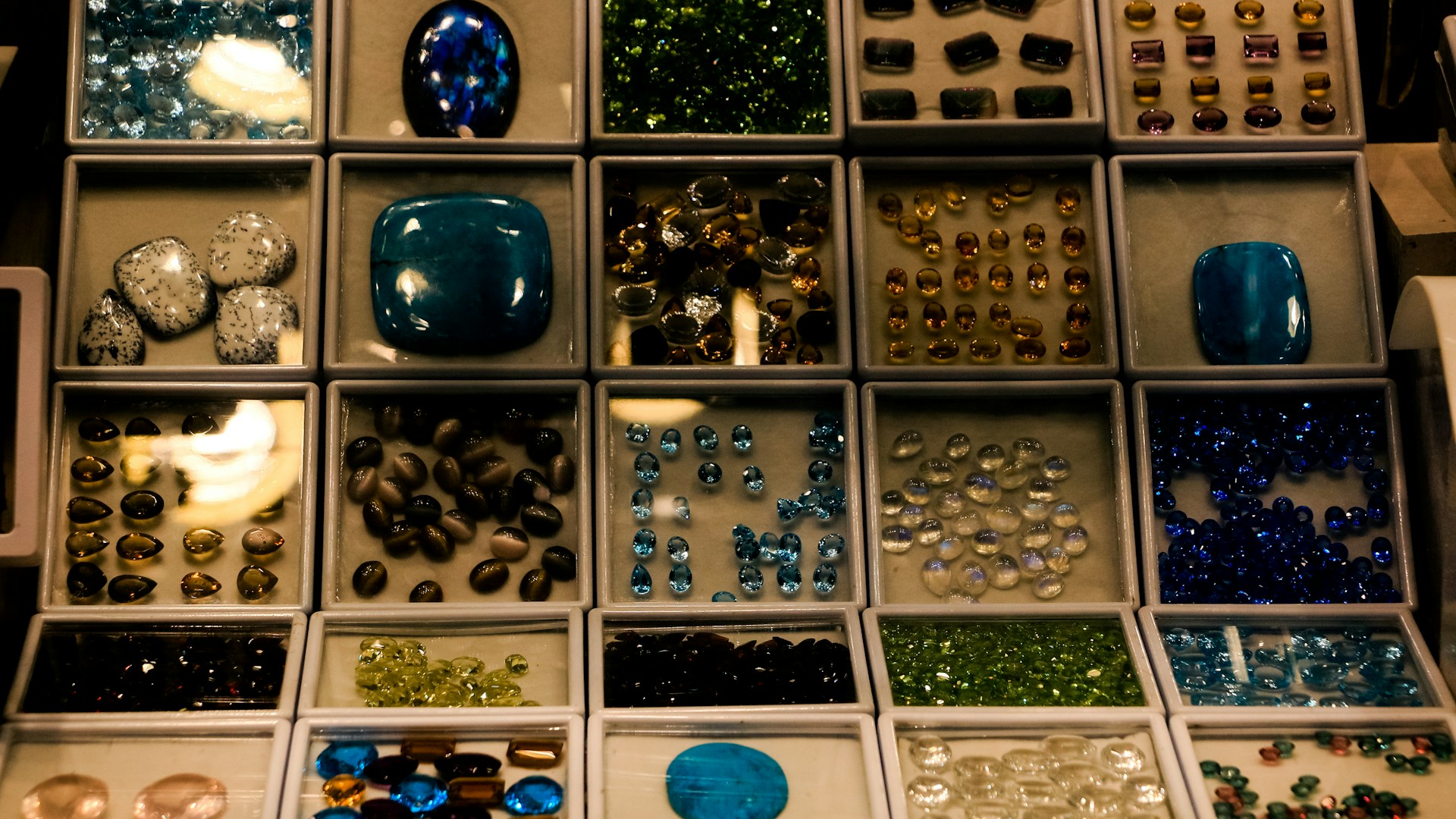 Photo by Neha Maheen Mahfin on Unsplash
See More Gems
Discover Our Rare Collection
Explore → Explore More Gems →
The Legacy of Ratnadeepa
Sri Lanka, known in early records as Ratnadeepa - the Island of Gems has been celebrated for centuries for its sapphires and other precious stones. Across the island's storied gem fields to historic international trade, this enduring heritage continues to shape the island's lapidary culture and the meaning of Ceylon gems today.
Heritage Highlights
Fine Gems in Fashion
How Ceylon Stones Are Worn
While we exclusively source and certify loose natural gemstones, witness how these rare earth-born crystals transform when worn—bringing radiant natural fire, bespoke character, and effortless high-fashion elegance to personal style.
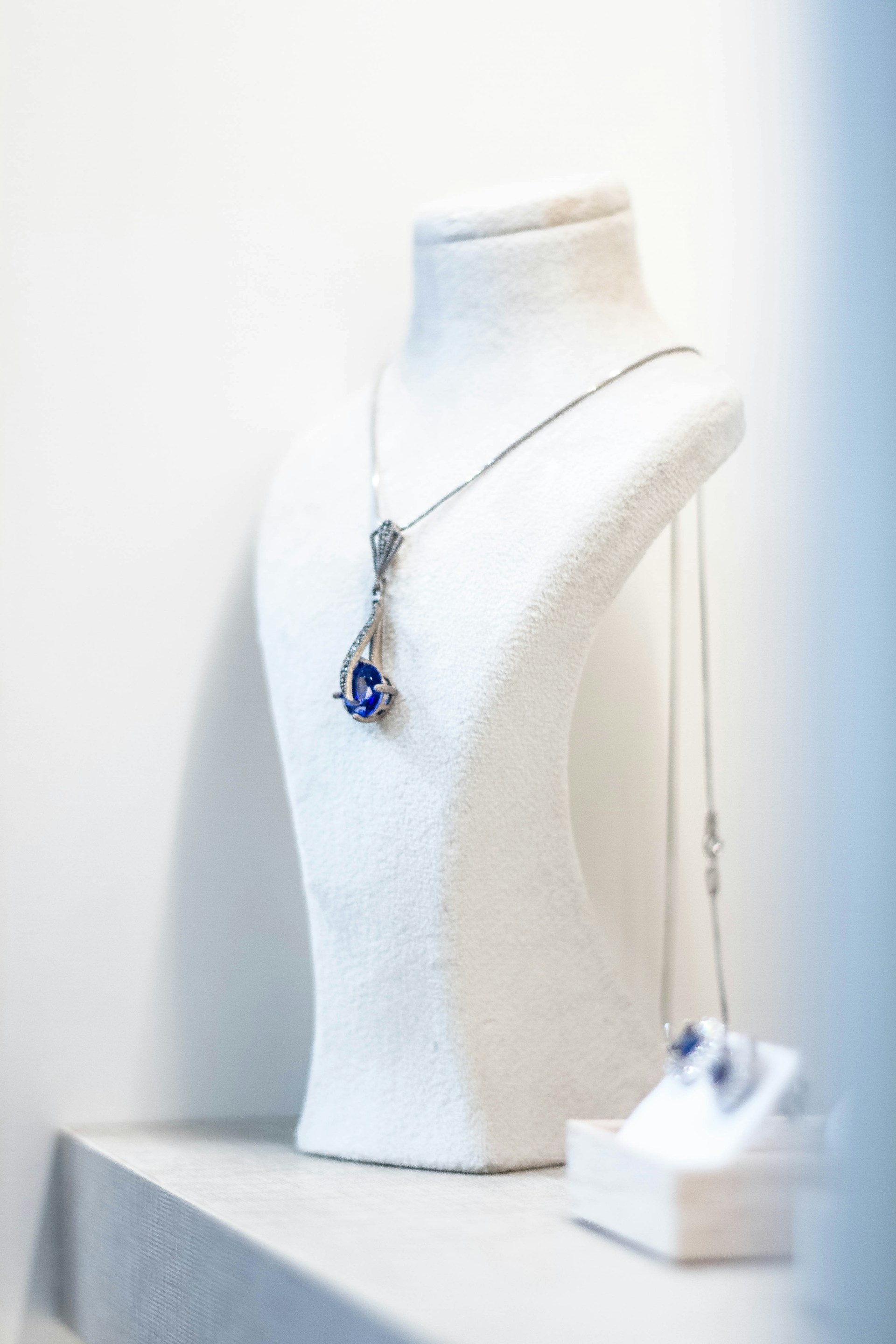
The Royal Blue Statement
An unheated Ceylon royal blue sapphire commands an aura of timeless poise when worn. Paired with pure silk or modern evening tailoring, the gemstone's velvety depth catches ambient light gracefully—proving how a single fine sapphire creates an iconic fashion statement.
Inquire For A Sapphire Gemstone →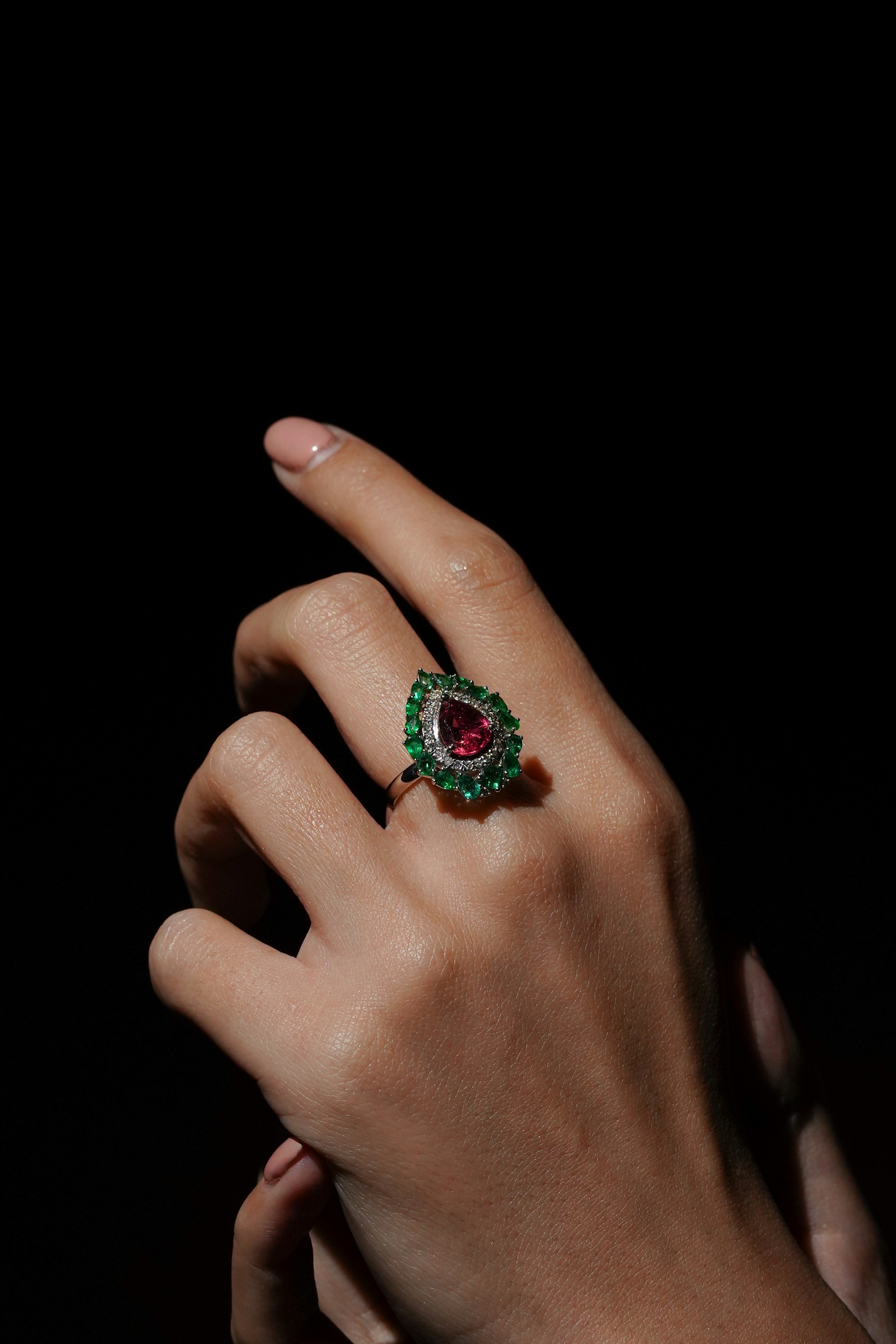
Fiery Crimson: A Bold Fashion Accent
Wearing a natural unheated Ceylon ruby brings warm drama and magnetic confidence to everyday attire. Celebrated for vivid pigeon-blood saturation and natural UV fluorescence, a Ceylon ruby worn on the hand or collar radiates an incandescent glow that elevates contemporary styling.
Inquire For A Ruby Gemstone →All Gemstone Collection
No Ceylon gems match these filters
Try selecting a different color, shape, or resetting filters
From Ground To Hand
Every unheated Ceylon sapphire and ruby begins deep within the prehistoric riverbeds of Sri Lanka. Discover how ancient geological treasures are unearthed through eco-conscious traditional mining, hand-washed, and cut to radiant perfection by generational master lapidaries.
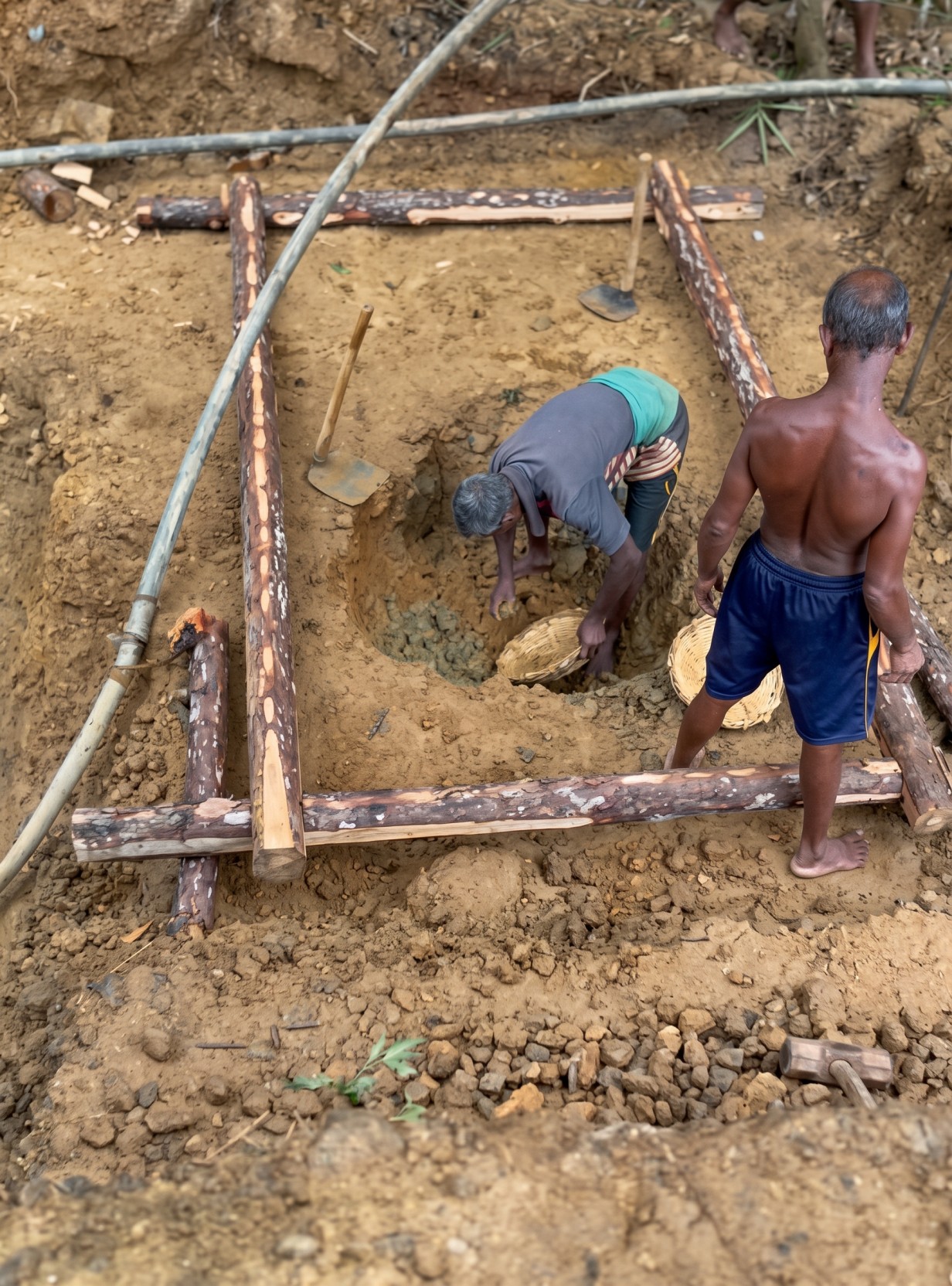
Opening the Alluvial Ground
Traditional artisanal mining begins by clearing the surface earth. Miners frame the shaft with wild timber logs and manually dig through layers of overburden soil using mammoties and baskets to reach the ancient gem-bearing gravel strata (*Illam*).
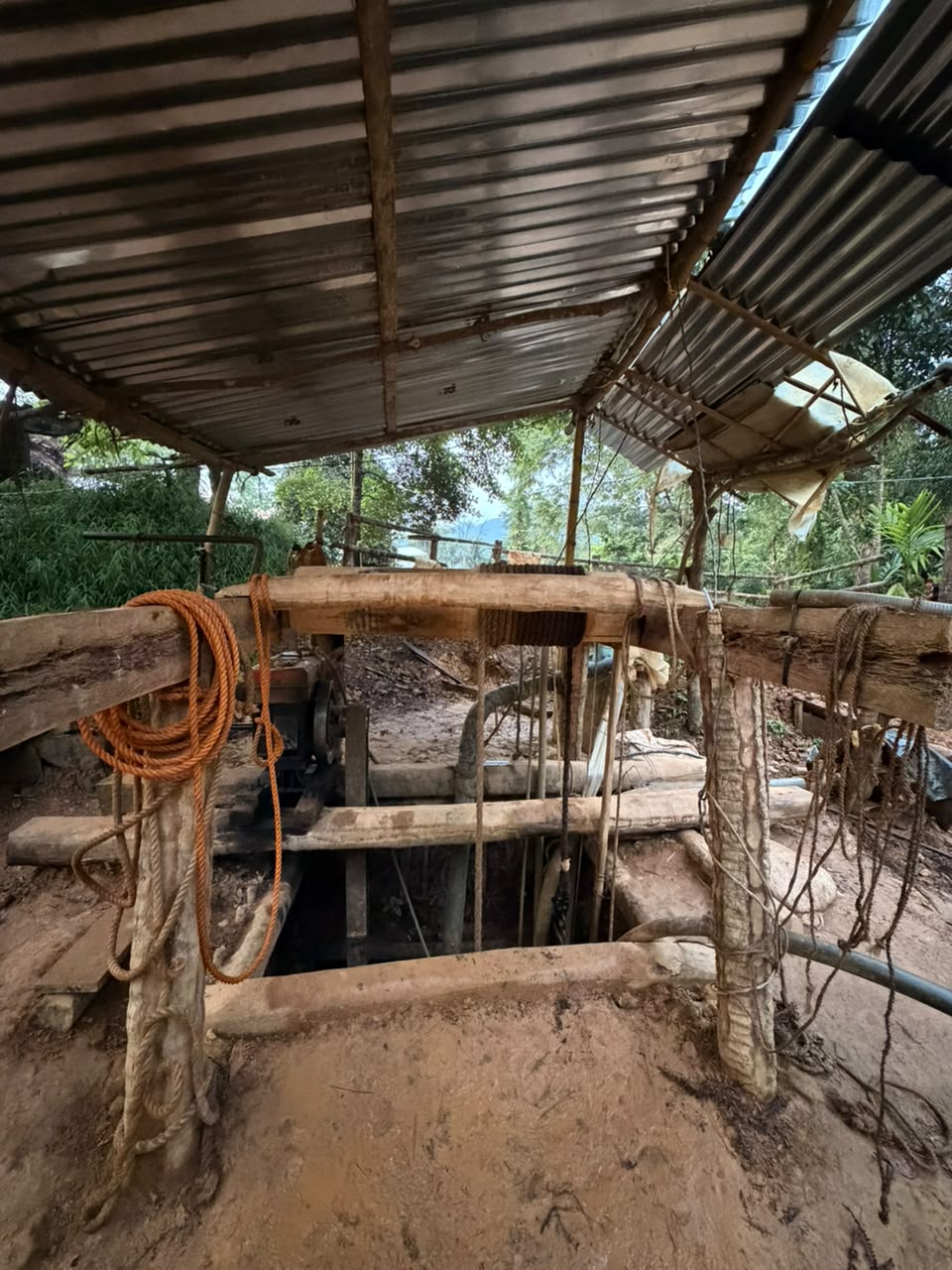
The Traditional Mine Pit
Once the pit is established, a traditional thatched shelter and hand-hewn wooden timber windlass (*giri-hala*) are constructed over the shaft. Sri Lanka's artisanal methods strictly forbid open-cast strip mining, ensuring waterways remain preserved.
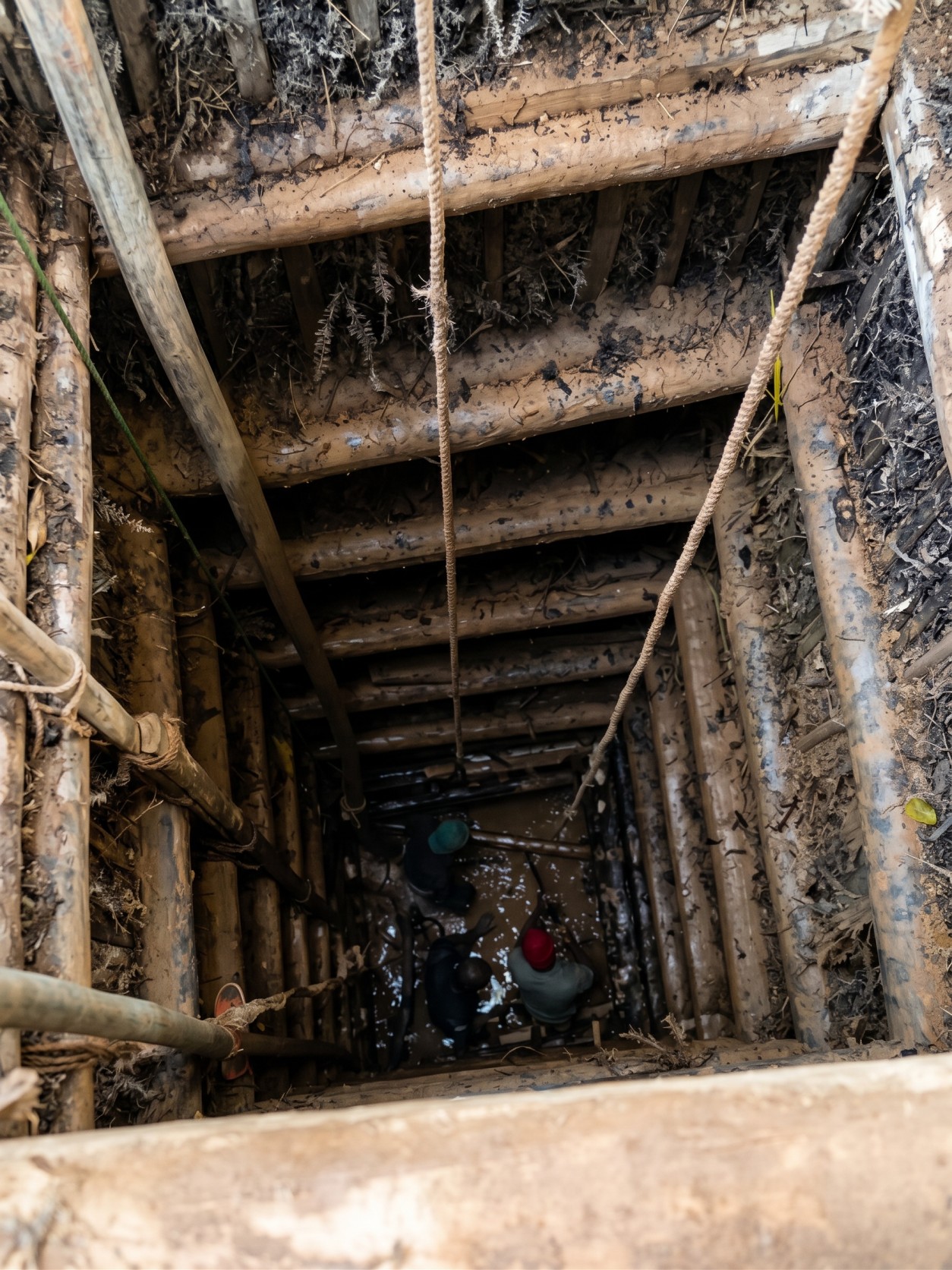
Subterranean Timbered Shafts
Plunging 30 to 100 feet deep into the Ceylon earth, horizontal gallery tunnels (*donas*) are fortified with rubber-tree timbers and woven wild fern branches (*kekilla*) to filter groundwater and ensure complete structural integrity for the miners below.
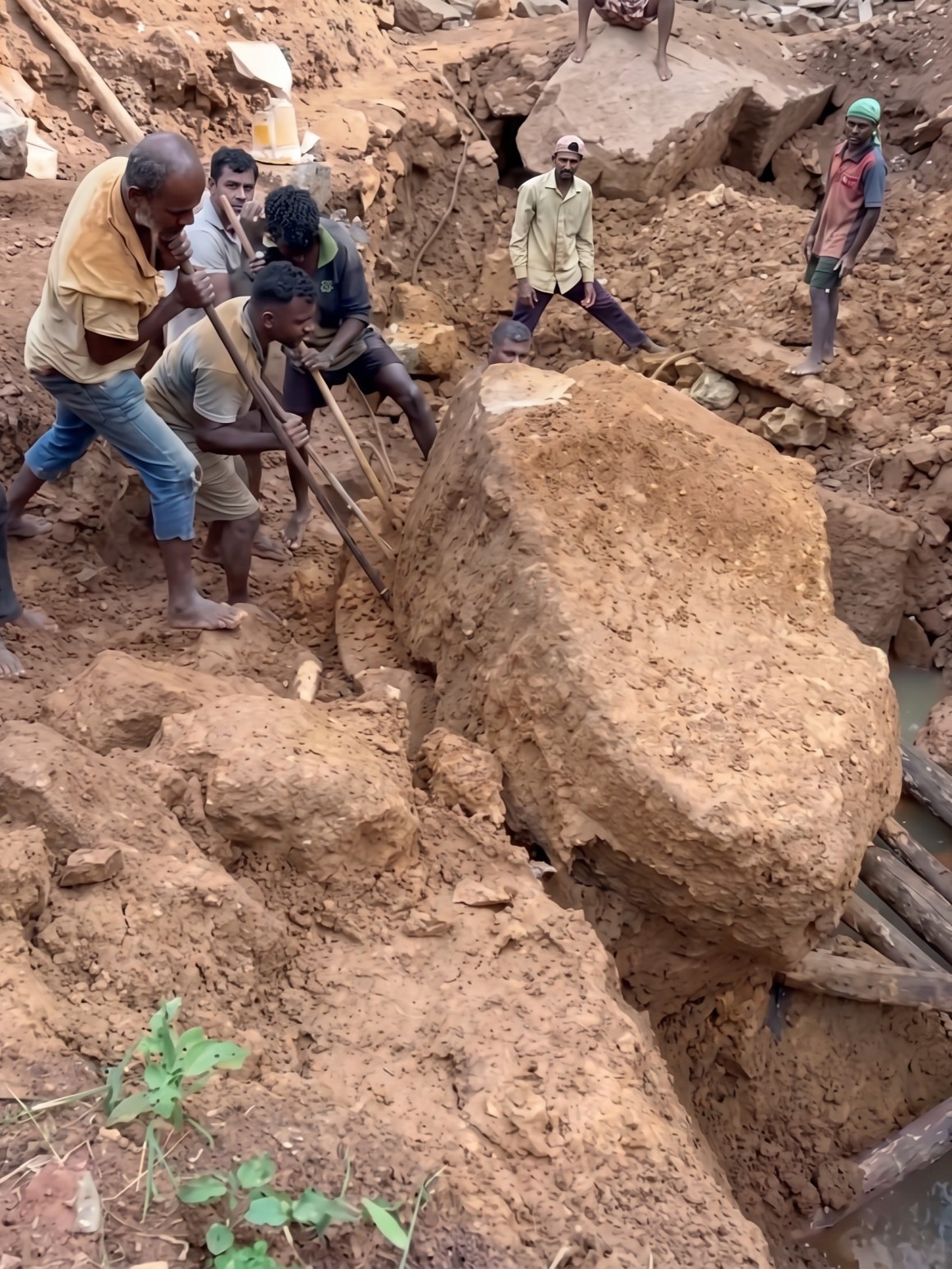
Artisanal Miner Fellowship
Underground work is a test of collective endurance. Miners band together with iron crowbars to maneuver heavy subterranean boulders, hand-passing wicker baskets of raw gravel to the surface. Sri Lanka's shared-equity system guarantees fair compensation for every team member.
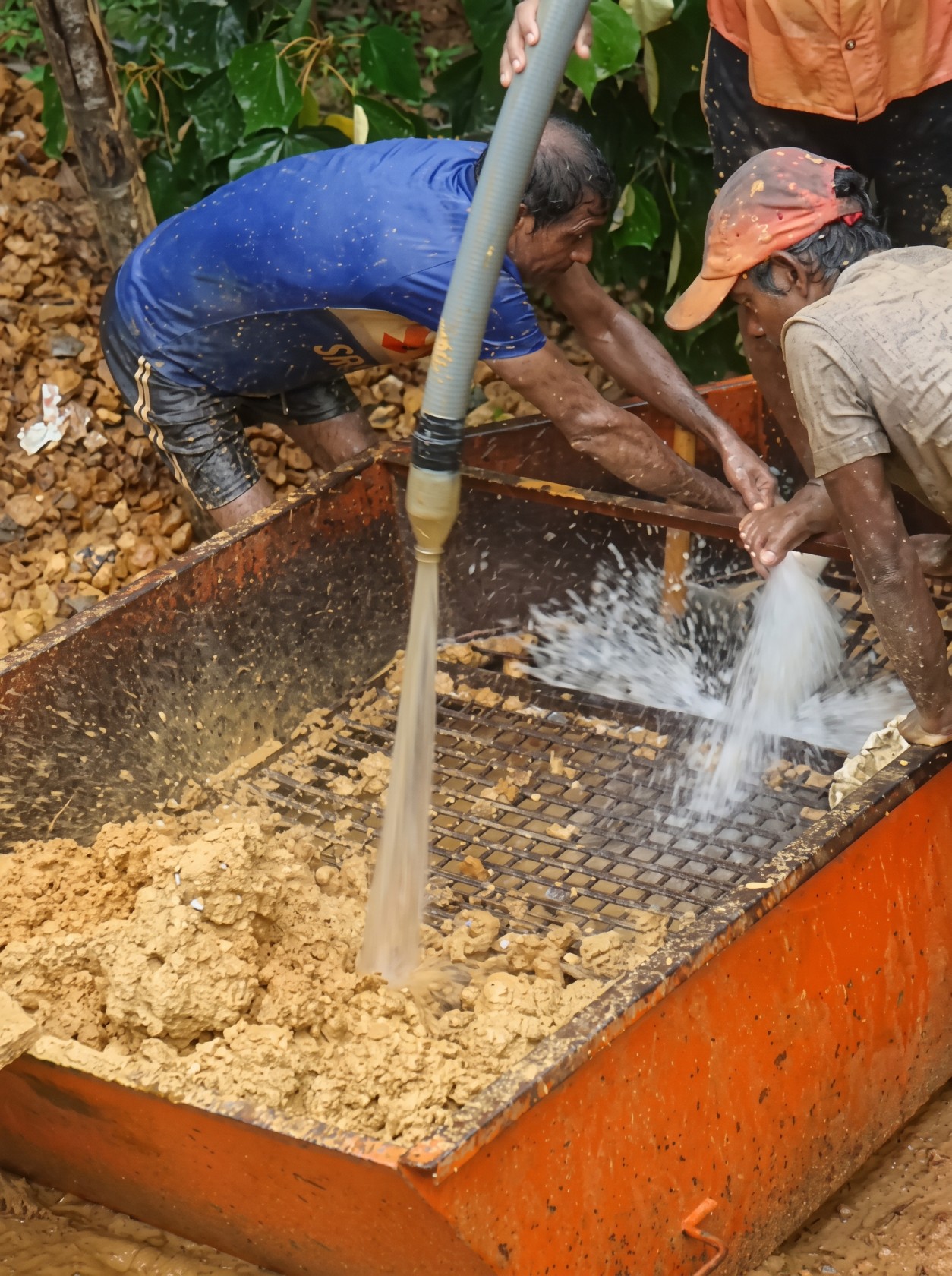
Washing the Sacred Gravel
Brought to washing sluices and ponds, the gravel is flushed with clean stream water. Experienced sorters swirl the material in conical baskets; dense corundum crystals settle to the center cone, unveiling sparkling blue sapphires and glowing rubies under the tropical sun.
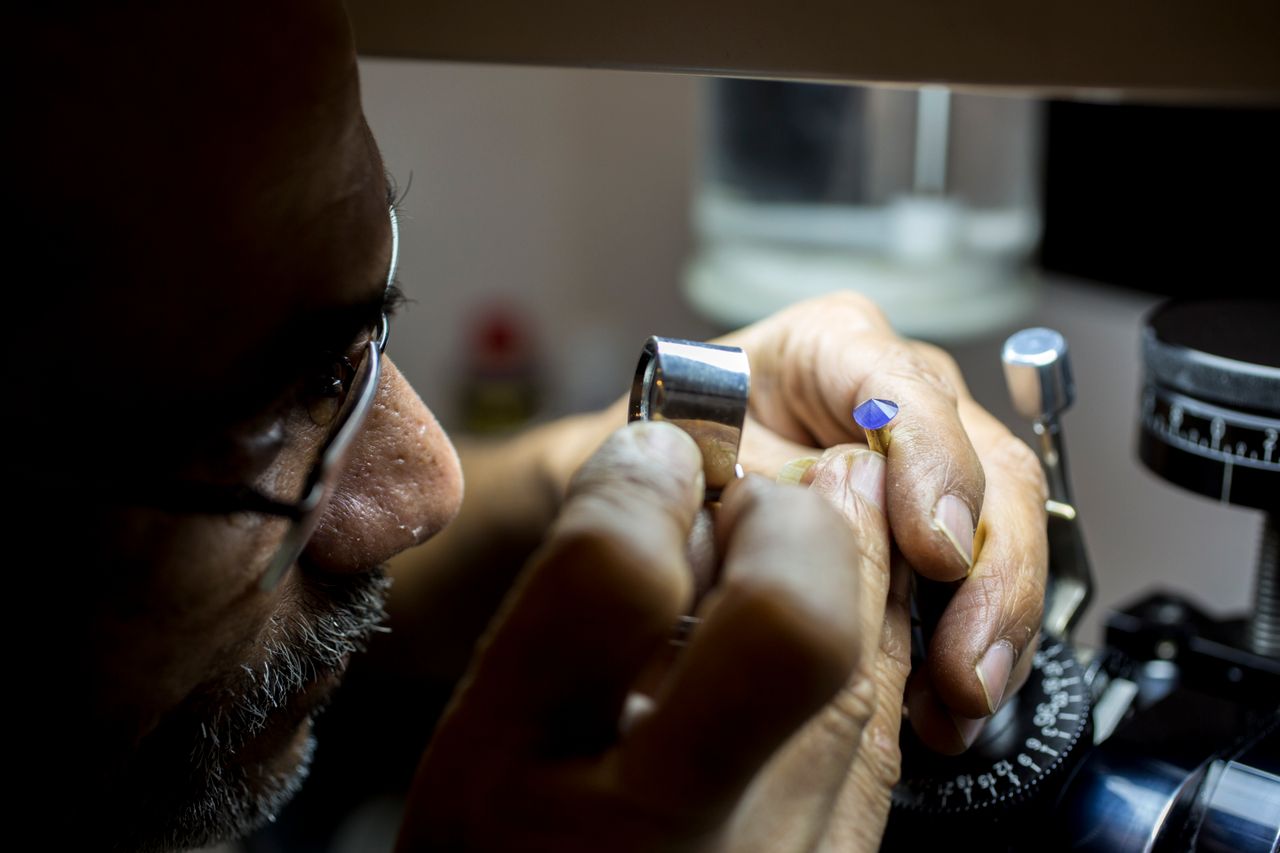
Precision Hand Faceting
Mounted on traditional dop sticks, the unheated gemstone meets the diamond lap wheel. Guided by eye and decades of tactile mastery, our Sri Lankan lapidaries align each optical angle to maximize refraction and dispersion—unlocking the royal fire that lands in your hand.
100% Mine-to-Market Ceylon Authenticity
Zero middlemen, zero chemical diffusion, and fully ethical Sri Lankan artisanal provenance verified by GIA & GRS.
The Science of Authenticity
Natural, Synthetic & Geuda
Knowledge is the true hallmark of fine gem collecting. Explore the scientific pillars behind why natural gemstones hold enduring value, how laboratory synthetics are manufactured, the chemical miracle of Sri Lankan Geuda heat enhancement, and how to verify genuine stones.
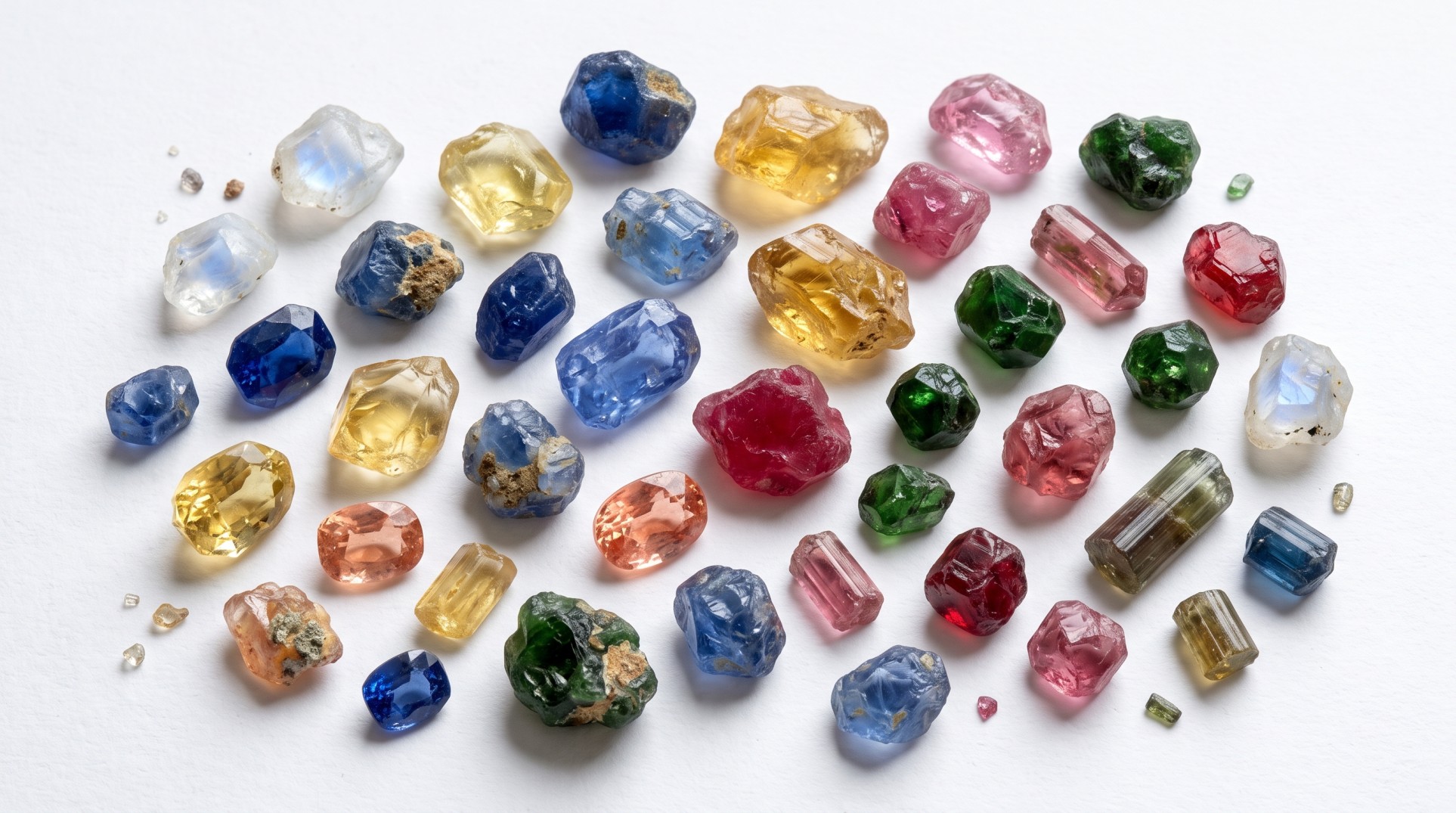
Why Natural Gems Are Valuable: The "Three Pillars"
Desirability = Rarity × Durability × Beauty
In professional gemmology, a mineral qualifies as an authentic gemstone based on three essential pillars that dictate global market desirability and lifelong asset value:
-
1
Geological Rarity: Unlike diamonds (which yield 150 million carats annually), fine natural unheated corundum formed hundreds of millions of years ago under precise mantle temperatures and pressures. Its supply is strictly finite and non-replicable.
-
2
Durability (Mohs 9): Corundum ranks 9 on the Mohs Hardness Scale (second only to diamond at 10), possessing superior crystalline toughness against chipping and extraordinary chemical/thermal stability.
-
3
Natural Beauty & Inclusions: Allochromatic crystal chemistry colored by trace titanium, iron, and chromium. Natural internal "fingerprints of nature" (rutile silk, liquid halos) verify authentic earth origin.
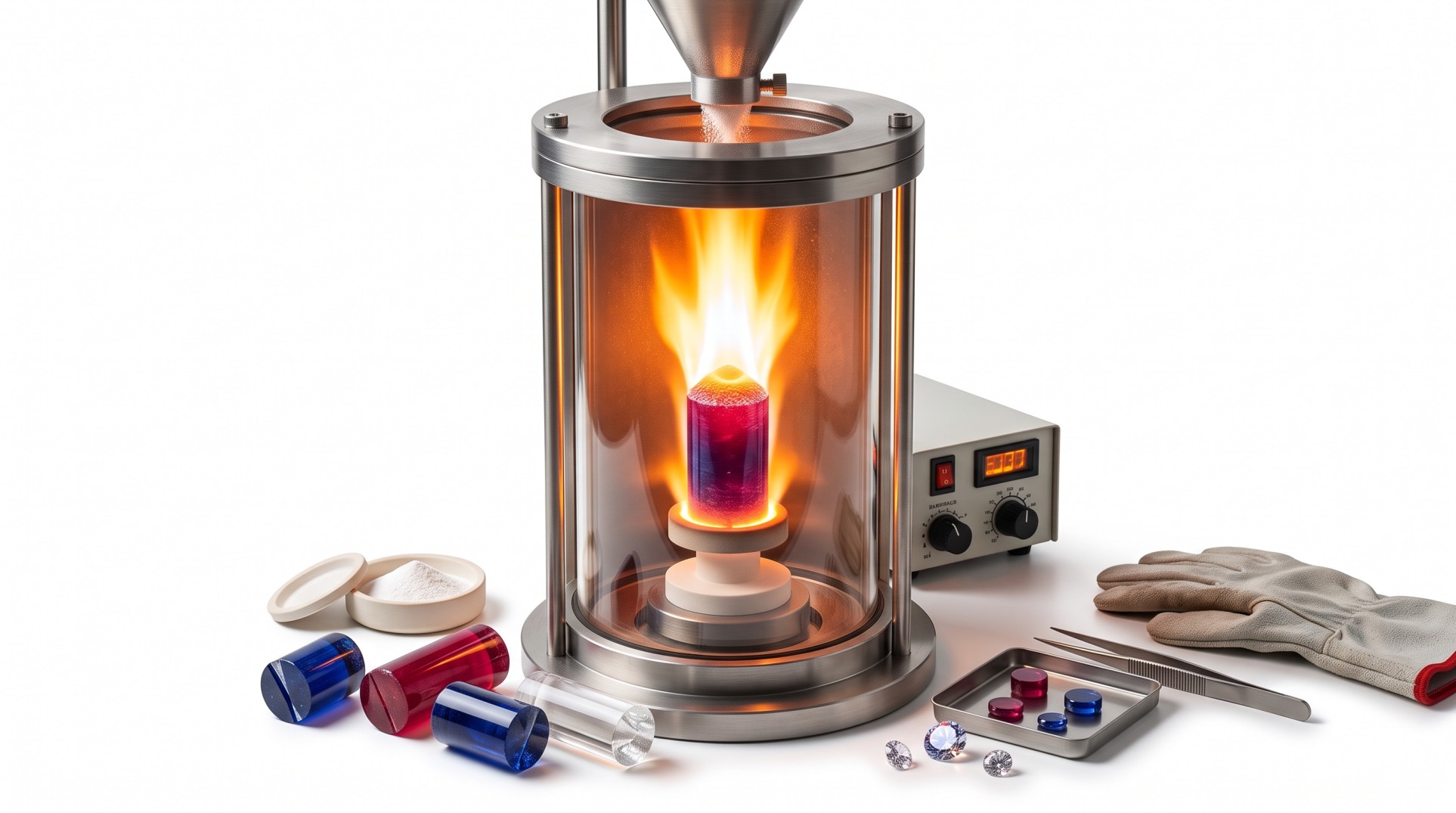
How Synthetic Gems Are Made & Identified
Laboratory Duplication vs Nature
Synthetic sapphires and rubies share the exact chemical composition (Al₂O₃) and optical indices as natural stones, but are manufactured in factories within hours or weeks:
-
A
Verneuil Method (Flame Fusion): Powdered aluminum oxide and color dopants are dropped through a 2,000°C+ oxyhydrogen flame onto a rotating pedestal, rapidly solidifying into cylindrical crystal "boules". Diagnostic: Curved growth striae and round gas bubbles visible under microscope.
-
B
Flux Growth: Powdered raw materials dissolve in a high-temperature molten flux solution inside platinum crucibles, cooling slowly over months to imitate natural crystal habits. Diagnostic: Telltale flux veil residue and wispy metallic flux inclusions.
-
!
The Market Truth: Because factory production is infinite, synthetic stones possess zero geological scarcity, zero historical provenance, and virtually zero resale or auction value.
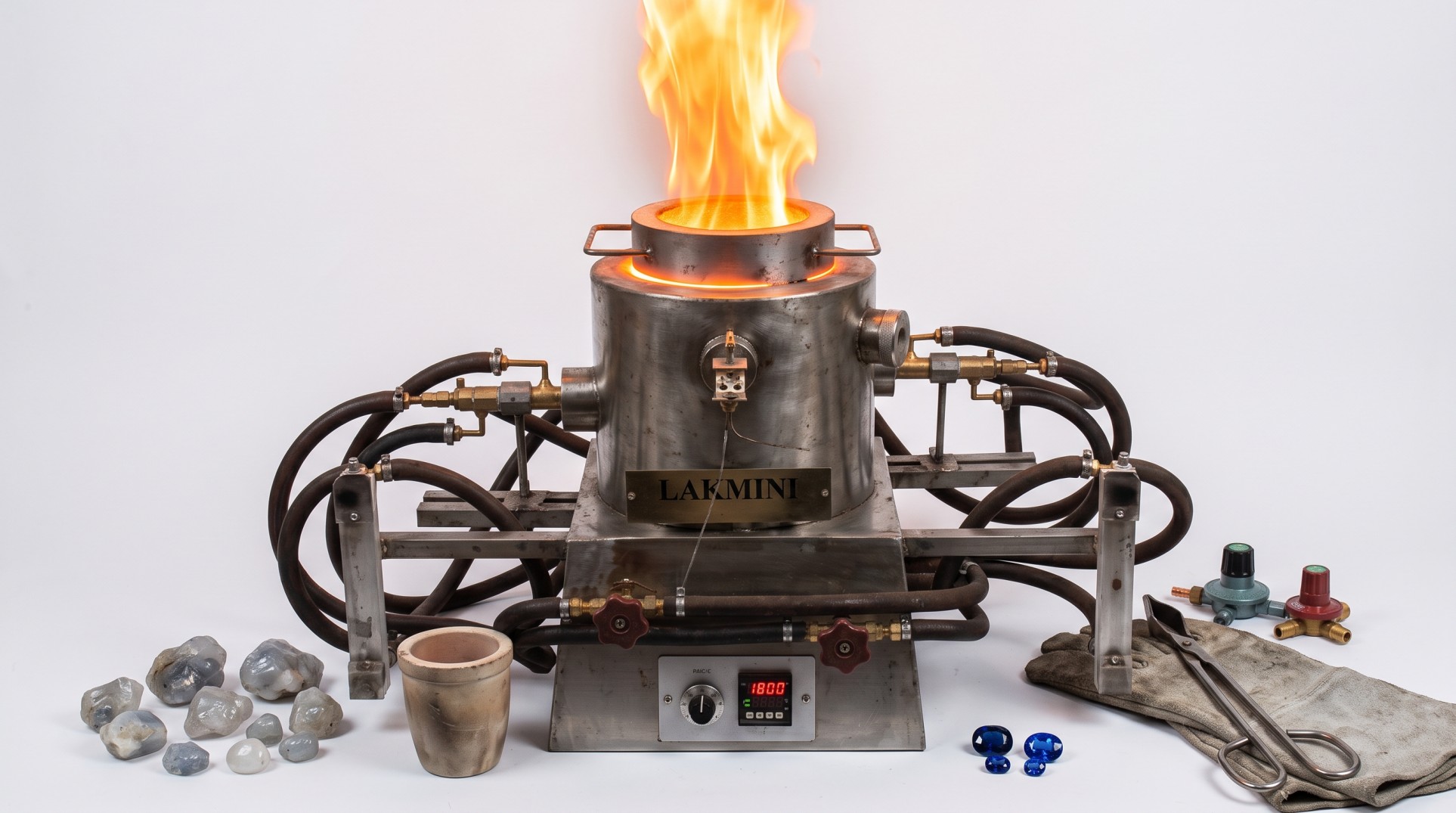
What Are Geuda? The Science of Heat Treatment
Rutile Dissolution & Intervalence Charge Transfer
In Sri Lankan gemmology, Geuda is a natural variety of Corundum (Al₂O₃) that in its rough state appears translucent, hazy, or milky (kiri Geuda) due to dense internal rutile (TiO₂) silk needle inclusions:
-
✦
Dormant Potential: In its raw state, Geuda is closely related to colorless sapphire (Leuco-sapphire), harboring trapped iron and titanium that have not yet chemically coupled.
-
✦
The Lakmini Furnace (800°C–1850°C): When heated in an oxygen-deprived reducing atmosphere, rutile needles dissolve into the crystal lattice. Intervalence charge transfer (Fe²⁺ + Ti⁴⁺ ↔ Fe³⁺ + Ti³⁺) unlocks magnificent, permanent royal blue and cornflower hues!
-
✦
Unheated vs Heated Value: Natural unheated sapphires (colored completely by the Earth) command 3x–5x higher investment value. Heated Geuda is 100% genuine natural earth corundum, officially recognized globally.
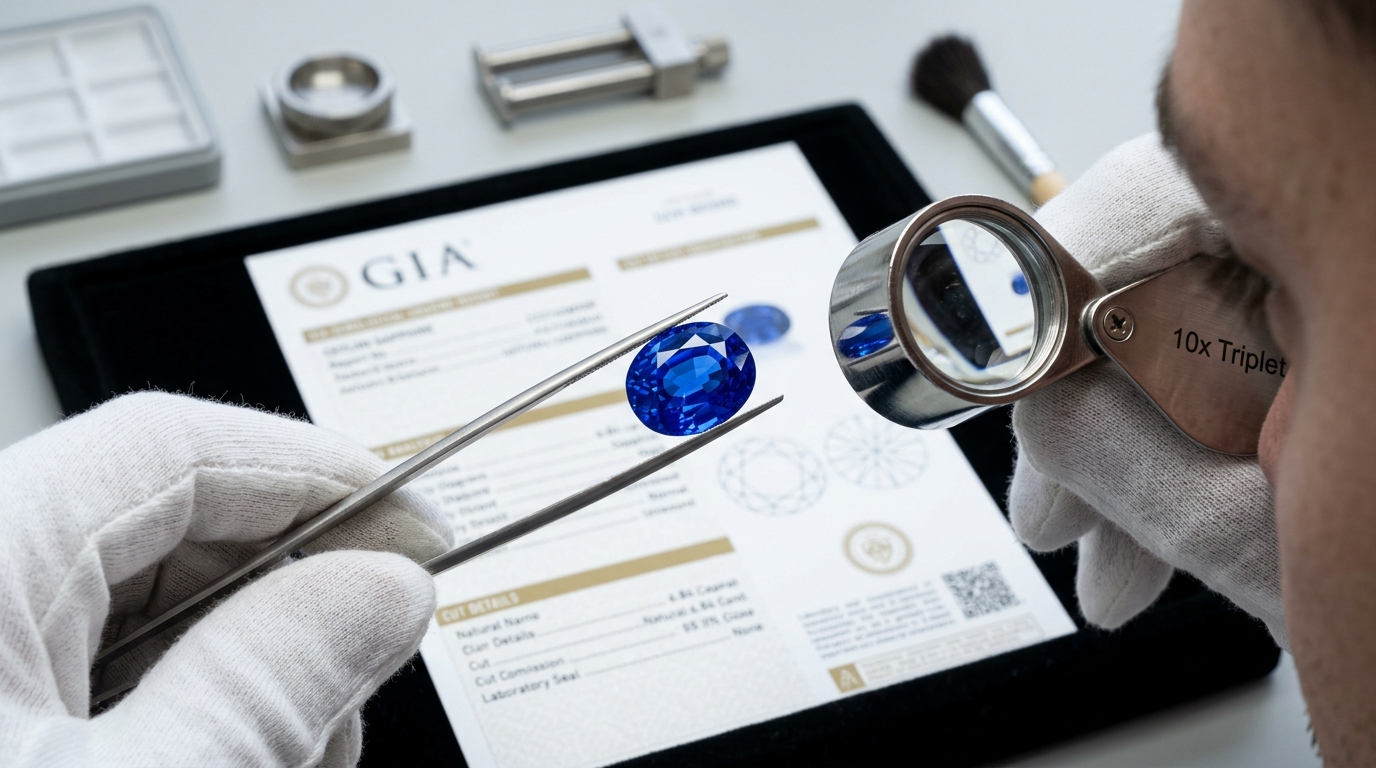
Professional Gem Inspection
10x Triplet Loupe · Daylight Lamp · Accredited Report
"Natural gemstones carry the geological fingerprints of the Earth. Inclusions are not flaws—they are nature's certificate of authenticity."
— Certified Gemmological BenchmarkHow to Select a Genuine Gemstone: 4-Step Checklist
Follow these 4 scientific checkpoints used by master trading gemologists before acquiring any precious gemstone:
Inspect with 10x Loupe
Look for natural crystalline inclusions, rutile silk needles, or liquid healing feathers. Synthetics show curved growth lines or spherical bubbles; glass-filled stones show flash effects.
Understand Eye Clean vs Loupe CleanDual Light Inspection
Observe Blue & Green stones under natural daylight / white light (5,500K). Evaluate Rubies, Padparadscha & Yellow stones under incandescent light to view genuine UV fluorescence and true color saturation.
Never judge color under fluorescent tubesTreatment Transparency
Always distinguish acceptable traditional heat treatment (dissolving rutile in Geuda) from non-permanent or destructive enhancements like beryllium lattice diffusion, surface diffusion, or lead-glass fracture filling.
Demand explicit treatment disclosureAccredited Certification
Insist on verifiable laboratory certification from globally recognized gem institutes: GIA, GRS, CGL, GGTL or Sri Lanka's government NGJA (National Gem & Jewellery Authority).
Every Cinnamon Sapphire gem is certified